




info@directaccess.group

E-Mail

UK: +44 1270 626222

Ireland: +353 (0)15079081

About

Us

Direct Access has led the accessibility and inclusion field since our inception in 2004. We are a DOBE™
certified Disability Owned and Operated Business Enterprise, providing our real lived experiences of disability.

We believe that our organisation’s strength lies in our diverse team’s combined talents and skills. Here, you’ll find the brilliant minds, creative spirits, and passionate hearts that drive Direct Access’ vision forward. Each member is unique, possessing a wealth of experience, knowledge, and inspiration. Together, we collaborate, innovate, and constantly strive to deliver excellence in all we do.

To delve into the professional profiles of our team members, simply click on the LinkedIn icon. This will take you directly to their LinkedIn pages, showcasing their accomplishments and experiences. Alternatively, if you want a more in-depth understanding of their roles, their career trajectories, and the distinctive expertise they contribute to our team, select the link icon.

Our

Team

Steven Mifsud holding his MBE on the grounds of Windsor Castle while smiling for a photo.

Steven Mifsud MBE

Chair - Board of Directors

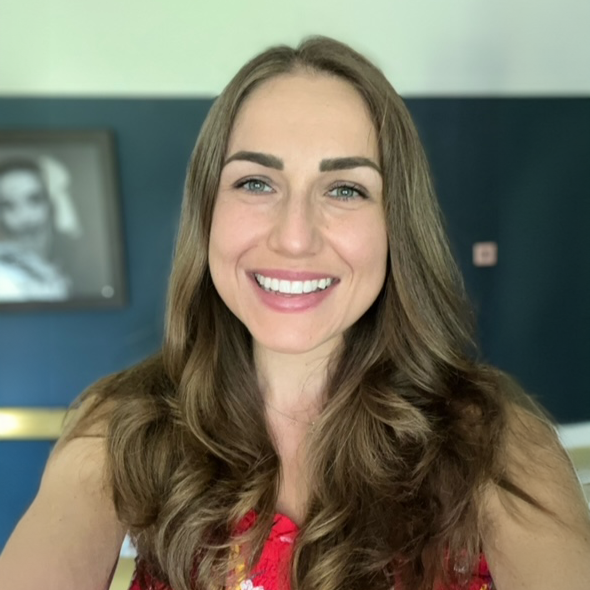
A photograph of a Caucasian woman with long brown hair smiles and poses for a selfie. She is wearing a red dress shirt with flowers in different colours on it.

Jude Mifsud

Director

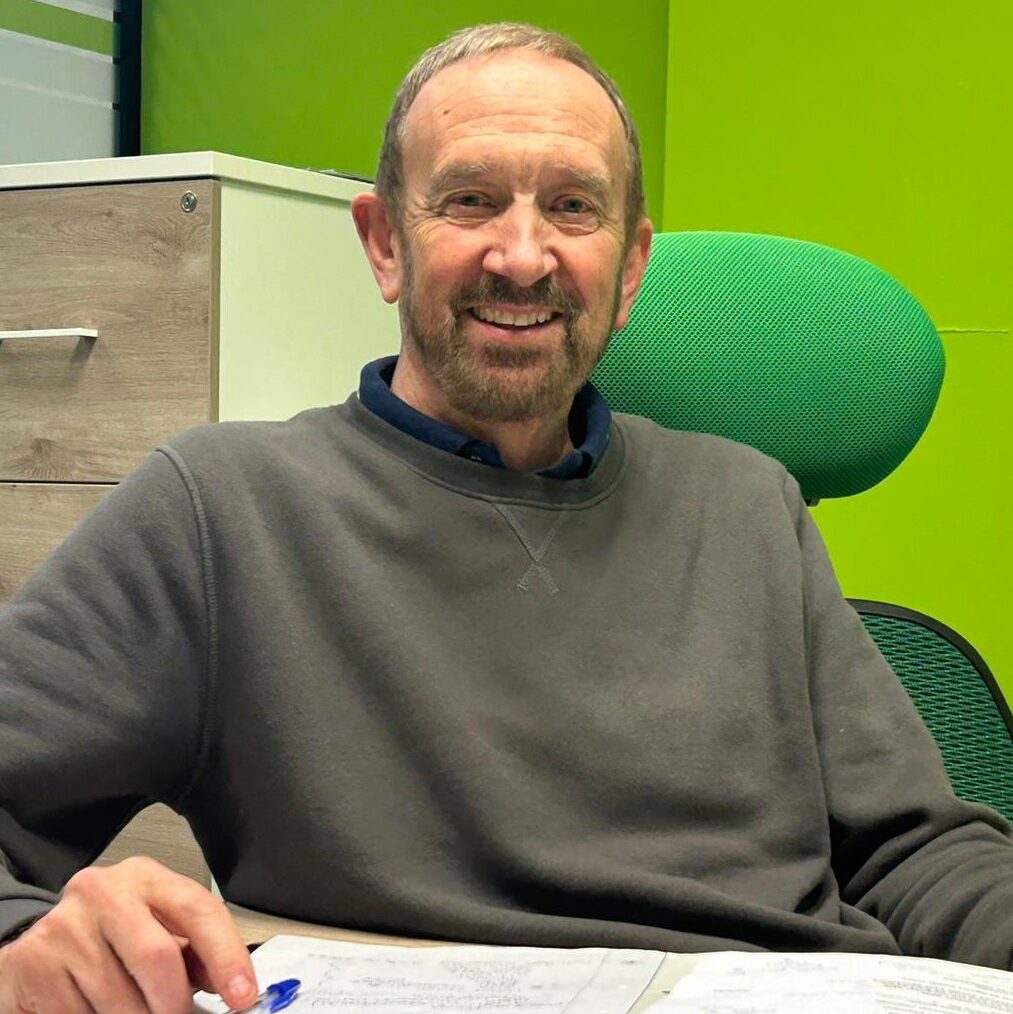
A photo of Peter Brassington, a middle aged caucasian man sat on a green desk chair behind a wooden table at Direct Access' office. He is wearing a brown jumper. On the table is a leather binder with a blue ball point pen sat on top.

Peter Brassington

Managing Director

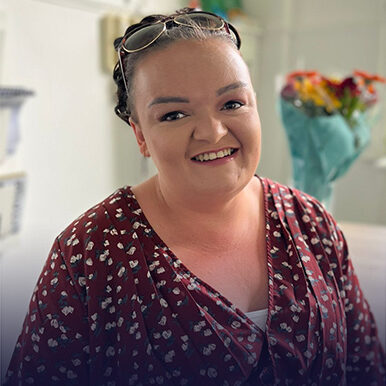
A portrait photograph of Direct Access employee, Keir Welch. A young caucasian woman, smiling. She is wearing a red dress and sunglasses. above her head.

Keir Welch

Production Director

A photograph of Education Access Consultant Sophie Malton posing for a selfie outside a school. A sign which reads "Park smart. Park safe" is on the wall behind her.

Sophie Malton

Projects Director

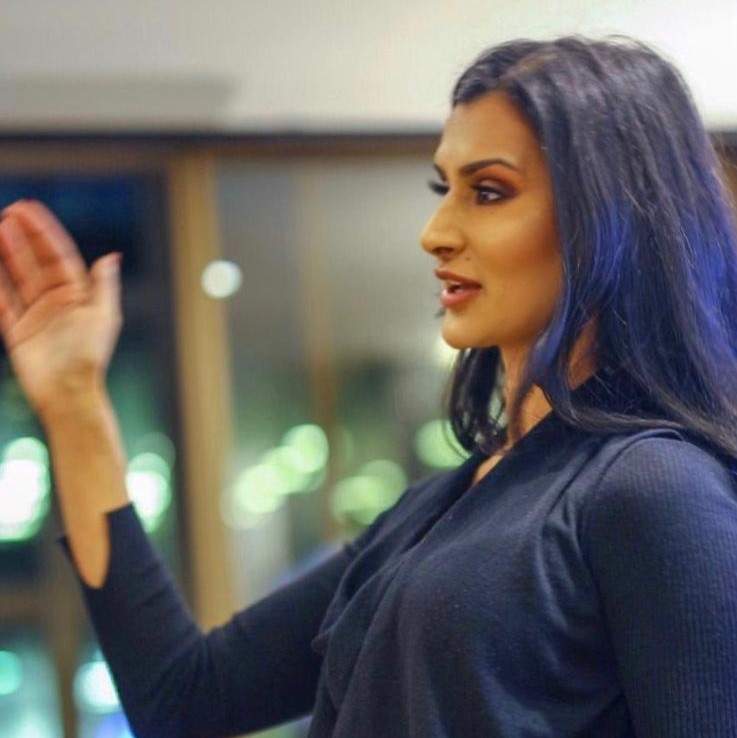
A photograph of a woman with long black hair, Safina Ahmad, gesturing her hand out while giving a speech.

Safina Ahmad

Procurement and Marketing Director

A close-up photograph of Direct Access Consultant Tom Morgan smiling.

Tom Morgan

Senior Access Consultant

A selfie photo of Direct Access' marketing executive Michael Miller.

Michael Miller

Marketing Executive

Raymond Okon - Direct Access Graphics and Website Lead

Raymond Okon

Graphics and Website Lead

A portrait photograph of Ailsa Flett, accessibility consultation manager at Direct Access.

Ailsa Flett

Consultation Manager

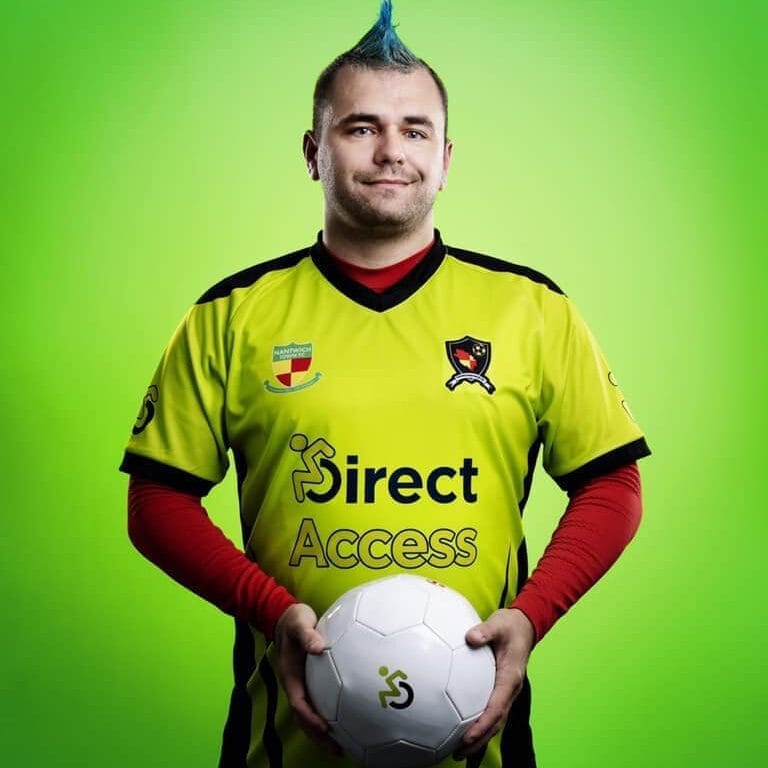
Nantwich Town Wolves VIFC captain Craig Acton holding a football with both hands against a green backdrop. His kit features the Direct Access logo.

Craig Acton

Accessible Media Consultant

A photograph of access consultant Jamie Watson smiling.

Jamie Watson

Access Consultant

A close-up photo of a middle aged Caucasian man standing in a field wearing a black polo shirt smiles for a photograph, behind him are several trees.

Nicholas Holland

Access Consultant

A profile of Roger Thompson, a consultant at Direct Access smiling at the camera. He is wearing a red polo shirt with a dotted pattern on it.

Roger Thompson

Access Consultant

Josh Downing - Direct Access Administrator

Josh Downing

Administrator

A close up photograph of a young Caucasian man with short hair and blue eyes; Lee Wilson - Direct Access CAD Engineer

Lee Wilson

CAD Engineer

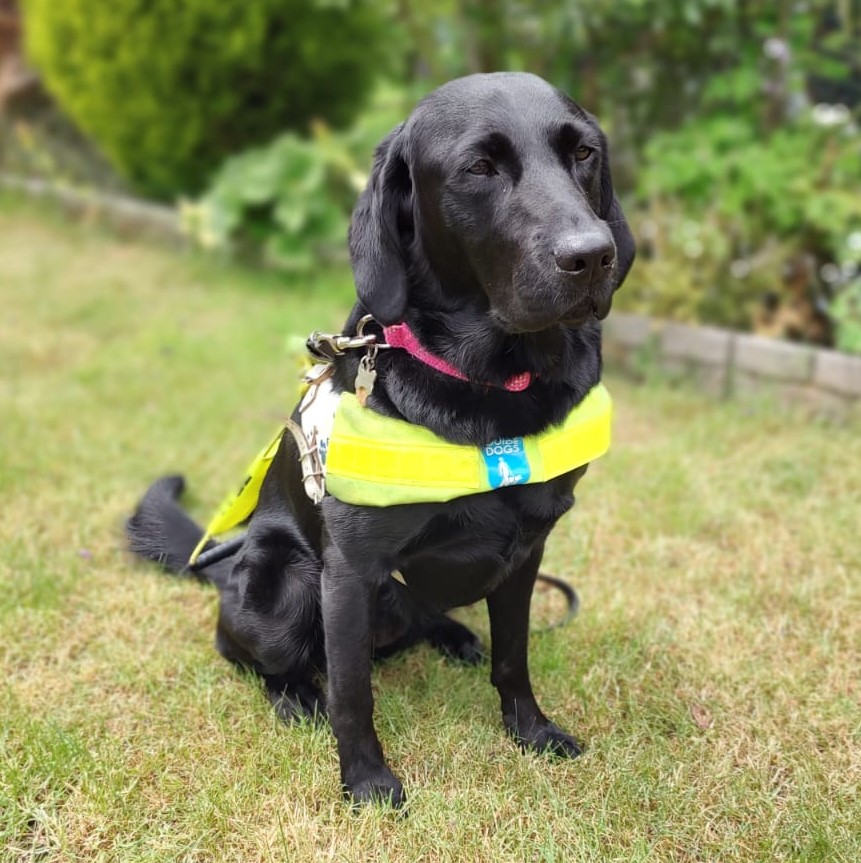
A black Labrador wearing a lime green guide dog jacket sits on cut grass on a sunny day in a garden.

Cally

Guide Dog

Watch Our

Video

Watch our short video to learn more about us, where Direct Access began, what we do, and how we can help businesses to create a more accessible environment.

From our humble beginnings in the bedroom of our current CEO, to now having offices in four different countries (and counting), the past twenty years has witnessed the company grow at an accelerated rate. 

But most importantly, it has seen us make a considerable difference to the lives of disabled people, who like us, deserved better than society could give us. 

Such was the dream of our founder, Steven Mifsud MBE, who first envisioned and registered the company in 2004. 

Steven Mifsud MBE holding a football with the Direct Access logo on it alongside three members of the Nantwich Town Wolves Vision Impaired Football Club

Our

Community

At Direct Access, we strongly believe in the power of community and the empowerment it creates in people who might otherwise feel that they are different.

As a team of disabled people, we know how this feels all too well – so we have maintained a strong connection with and sponsorship of our local disability football team, Nantwich Town Disability FC, who remind us that we are capable of achieving anything, no matter who we are.

As well as sponsoring the Nantwich Town Disability FC team, which provides fresh kits, equipment, and facilities, Direct Access has also committed to sponsoring the clubs’ youth PAN disability football training sessions aimed at young disabled people under 16, and their Nantwich Cubs sessions for children.

As adopters of the Social Model of disability – we are enormously proud to support NTD F.C, increase awareness of inclusive sports, and give back to an inspiring community that thrives and achieves in spite of their differences.

Our team began sponsoring the club in 2019, and we expect to continue doing so far into the future. For information on club activity, charity events, and details about their PAN disability sessions, check out the Nantwich Town Disability FC Facebook page and drop them a like!

Latest

News

A wide shot photograph of a black tactile braille map board shot in deep focus. The face of the map board provides a colourful rendition of the Tower of London's layout using a white, raised braille key and various symbols against a black background. A large white tactile model of the Tower of London's exerior sits on the face of the right side. Behind the map is a white table and Direct Access display stand.
News

The Business Case for Accessibility in a Visually Diverse World

The Business Case for Accessibility in a Visually Diverse World As organisations operate in an increasingly digital and interconnected world, the way information is presented, navigated, and understood has become a defining factor in how brands are perceived, trusted, and chosen. Accessibility, particularly for people with visual impairments, is no

The,Second,Largest,Courier,Network,In,Europe.,Sign,Dpdgroup.,Forwarding
News

An Open Letter from a Severely Sight-Impaired Customer to DPD

The following Open Letter was published on our social media platforms on 4th February 2026 on behalf of a sight-impaired member of the team who wishes to remain anonymous. Dear DPD Team, I am writing to share my experience as a severely sight impaired customer, in the hope that it

A Caucasian male child standing indoors near a large window, wearing over‑ear headphones. They are dressed in a long‑sleeved, light gray shirt and have one hand gently resting against the glass. Soft natural light comes through the window, creating a calm, reflective atmosphere. The scene suggests someone listening to music or audio while quietly looking outside.
News

The Business Case for Sensory Accessibility in built environments

In today’s fast paced, increasingly disorienting world, businesses are recognising that the social responsibility to make environments accessible is no longer viewed as a favour to disabled people or a tick box exercise to appease legal bodies, but a strategic advantage in the world of business.  The facts speak for themselves. Consider for instance,

The image shows a person viewed from behind, gently touching the hearing aid positioned behind their ear. The individual is wearing a light-colored suit jacket and a watch with a blue band. Soft natural light is coming through the window in front of them, and the background appears to be an indoor space with large windows overlooking an urban setting. The composition highlights the hearing aid and the person’s gesture, suggesting adjustment, use, or awareness of the device.
News

Building Better Experiences Through Accessible Communication

Auditory processing impairments, including Auditory Processing Disorder (APD), affect how the brain interprets sound rather than how the ears detect it. Many individuals with these impairments have hearing that tests as “normal,” yet they encounter persistent communication challenges in everyday interactions due to a lack of accessibility measures that accommodate their needs.  For businesses, these

The image shows an outdoor scene with two people interacting in a sunny, park‑like setting. One person is seated in a wheelchair, wearing a striped shirt and holding what appears to be a drink or bottle in one hand. Another person stands beside them, leaning slightly forward while holding the wheelchair’s handle and resting a hand supportively on the seated person’s shoulder. Warm sunlight creates a soft, glowing atmosphere, and trees and buildings are visible in the background, giving the moment a calm and supportive feel.
News

Designing Inclusive Environments for People with Cerebral Palsy

To design environments that truly include people with cerebral palsy, it is important to move away from the idea that accessibility requires analysing disability on a case-by-case, “disability by disability” basis. Genuine inclusion is not about solving isolated problems for specific groups, (whether that’s cerebral palsy, neurodivergence, visual impairments etc.),

A caregiver in a pink medical uniform supports an older adult who is using a walking frame. They are standing together in a warmly lit living room featuring modern furniture, including a grey armchair, a wooden side table with a potted plant, and a sofa with yellow cushions. A floor lamp and a framed landscape photograph hang on the wall behind them, creating a calm and homelike environment as the caregiver assists the individual with mobility.
News

Why Designing for Dementia Future Proofs your Facility

In principle, most people agree that public spaces should be welcoming, intuitive, and accessible to all. Yet for millions of individuals, navigating everyday environments, such as hospitals, town centers, transport hubs, libraries, leisure facilities, and council buildings can be stressful at best and, in some cases, entirely unmanageable. While this

A large collection of fashion dolls arranged closely together in multiple rows. The dolls are dressed in a variety of colorful outfits, including dresses in shades of pink, purple, blue, and red. Many have long, styled hair in different colors such as blonde, brunette, black, and red. Some dolls wear accessories like tiaras, necklaces, and veils, giving the display a vibrant, playful, and decorative appearance. The overall scene looks like a collection or display of dolls, possibly at a market, event, or toy exhibition.
News

A Doll That Reflects Real Life: Analysing the Autistic Barbie

For decades, mainstream toys like Barbie have reflected a narrow view of “normal” childhood experiences and archetypal roles for women, largely ignoring diversity in neurodevelopment, physical ability, and health conditions. So, it’s amazing to see Mattel diversify their brand audience through the power of inclusivity. Their latest, the Autistic Barbie

The image shows a hand holding two menu booklets inside a cozy pub or restaurant. The menus are titled “The Leopard Menu” and each features the Joule’s brewery logo at the top. One menu is labeled “Large Print” and the other is labeled “Grade 1 Braille.” Both covers display illustrations of a pie and a drink. The background reveals a warmly lit interior with wooden furniture, vintage-style décor, and hanging lights, creating a classic pub atmosphere.
News

Why Braille Still Matters and Why You Can’t Afford to Ignore It

The Misunderstanding of Braille’s Value When we talk to organisations about accessibility, one thing comes up again and again: braille and other accessible formats are often overlooked. We have even heard people say that braille is outdated, niche, or no longer needed because of screen readers. This is not only

The image shows Bromsgrove railway station with multiple platforms and tracks under bright, sunny weather. A modern yellow‑and‑black train is approaching the station along the center track. The platforms are marked with signs indicating platform numbers, including large overhead signs for platforms 2 and 1 in the foreground. Blue lamp posts and metal structures for overhead electric wires line the tracks. There are small sheltered waiting areas, station signage, and safety markings along the platform edges. Trees and greenery border the station, giving it a clean and open atmosphere.
News

Bridging the Gap for Deaf Passengers and BSL users on Railways

The Current Experience of Disabled People Much can and has been said about the flaws with British railways. As a team of accessibility consultants, Direct Access has tried our hardest to facilitate accessibility improvements with the many companies that have partnered with us, including Transport for Wales, Avanti West Coast,

Direct Access
Privacy Overview

This website uses cookies so that we can provide you with the best user experience possible. Cookie information is stored in your browser and performs functions such as recognising you when you return to our website and helping our team to understand which sections of the website you find most interesting and useful.