
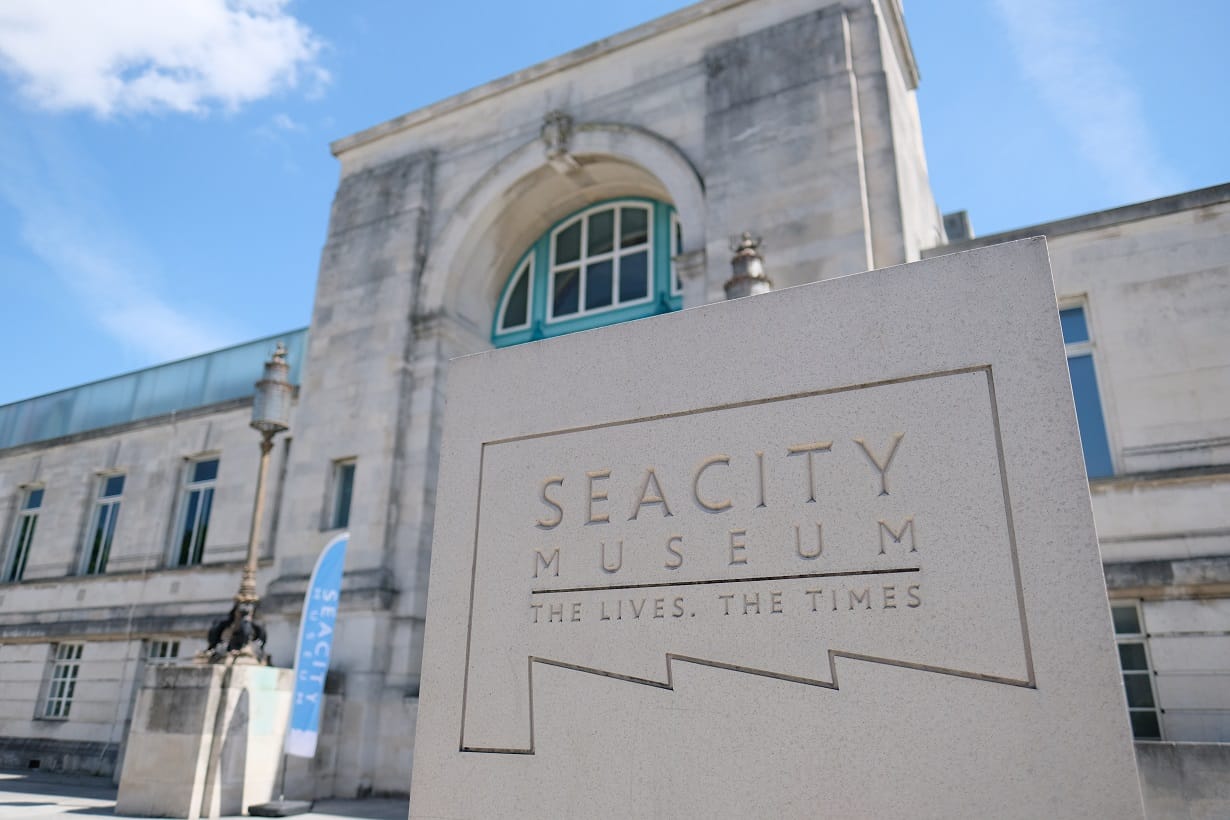
Direct Access delivered comprehensive accessibility audits and policy reviews that identified and addressed accessibility barriers across physical and digital environments for three Southampton City Council-owned and operated museums, ensuring that all visitors, regardless of their abilities, could fully engage with the collections and spaces.
Our auditors also conducted a policy review to embed a long-term accessibility strategy for the sites, ensuring future developments were accurate, effective, lawful, and fit for purpose for all visitors.
The scope included;
SeaCity Museum: A modern museum focused on Southampton’s maritime heritage. Best known for its exhibitions about the RMS Titanic sinking and the impact the disaster had on the city, where many crew members lived.
Tudor House & Garden: A restored historic house in Southampton’s Old Town, telling the story of more than 800 years of local history from medieval and Tudor times onward.
Southampton City Art Gallery: One of the leading municipal art galleries in southern England, holding over 5,000 works spanning several centuries, including paintings, sculpture, photography, and contemporary art.
By assessing and improving how the museums accommodated the physical, sensory, cognitive, emotional, and cultural needs of diverse visitors, our focus was not just on compliance with regulations, but on creating meaningful, engaging experiences that are accessible to people of all abilities and backgrounds. This involved understanding who was currently engaging with the museums, who may have been excluded, and what barriers were preventing greater participation from underrepresented groups.
Our team outlined steps to support the three sites in broadening and diversifying their visitor base, improving comfort and visitor flow, enhancing exhibit accessibility to strengthen interpretation, and implementing solutions tailored to key audience groups, including disabled and neurodivergent visitors, as well as people from a range of cultural backgrounds and age groups—ensuring their needs, barriers, and preferences are fully understood and addressed.
Recommendations were personalised and accounted for the Council’s existing material and budget, outlining short, medium, and long-term actions to encourage new visitors, repeat visits, and a competitive advantage within the museum and heritage sector.
We ensured that each of the three sites was fully compliant with legal obligations; however, our approach went beyond physical barriers to encompass a holistic view of accessibility, addressing emotional, environmental, sensory, intellectual, cultural, attitudinal, technological, and financial factors that impact visitor engagement, delivering a report that uncovered where current engagement efforts fell short and identified new opportunities for improvement.