info@directaccess.group

E-Mail

UK: +44 1270 626222

Ireland: +353 (0)15079081

Policy Review

Services

Expert Policy Reviews for Compliance and Governance

Policy documents are essential instruments of governance, compliance, and organisational accountability. They set out the rules and principles that an organisation stands by, and are the essential foundation influencing every element of its operational framework, from guidelines and structures to systems, procedures, and indeed, its relationship with disabled customers.

In the world of accessibility, navigating a minefield of legislation that sets out specific and detailed requirements for inclusion can be complicated and time-consuming. At Direct Access, we draw from over twenty years of experience in access auditing and consultation to shoulder that responsibility for you, setting out holistic steps that allow you to both meet your legal obligations and deliver an effective service to the widest possible audience. 

Our team delivers clear, actionable policy reviews to clients who aspire to expand their audience reach in the public sector and regulated industries in the corporate and private sectors. From education, housing, heritage, and healthcare, to hospitality, retail, technology, and transport, our insights can be applied to any industry.

The Commercial Case

Policies are not symbolic statements of intent; they form the operational and legal framework that shapes how services are delivered in practice. The extent to which they embed accessibility and inclusion is a key factor in determining their effectiveness in reaching and serving a diverse audience. When policies are unclear, outdated, or inconsistently applied, organisations inadvertently embed barriers into their services, systems, and culture, which severely impacts their ability to deliver reliable and frictionless services to disabled people; a minority group representing millions of individuals within the UK alone, who have a household spending power in the billions.

Specifically, the estimated value of this demographic of users in the UK alone (The Purple Pound) is currently measured at £446 billion.

An accessibility policy can achieve many things. We all know that without it, your organisation risks legal and regulatory exposure under The Equality Act 2010. Additionally, we’re acutely aware that represent a pathway for businesses to achieve a certain moral ‘good’ through compliance-based box-ticking, but rarely is inclusive policy talked about for its strongest utility as a powerful and competitive commercial tool.

A strong accessibility policy that goes beyond minimum expectations directly correlates with;

  • Increased loyalty to your brand (research shows that 84% of consumers trust brands more when disability is represented, and 73% of consumers would switch to a more inclusive competitor, even at a higher price)
  • Stronger funding, investment, and accreditation positioning (Major funders such as Wellcome and UKRI require demonstrable equality, diversity, and inclusion frameworks as part of their grant conditions and evaluation processes)
  • Better user experiences for non-disabled people (Strong brands avoid making assumptions about their users and instead design for equal access. In that context, there is little reason not to aim for the highest possible standard of user experience across your entire audience)
  • Beating your competition (proactive accessibility signals a strong commitment to social responsibility, ethics, trustworthiness and forward-thinking, which helps attract and retain customers)


The Direct Access Methodology

Our comprehensive policy reviews begin with our team benchmarking your services and/or products to relevant sector standards, ensuring your organisational approach to accessibility is legally defensible. We have measured experience reviewing policies in relation to;

  • Education: Ofsted expectations and SEND inclusion duties
  • Museums & cultural sector: Arts Council England funding requirements often expect inclusive access policies and practice
  • Healthcare: NHS accessibility standards and Equality Act compliance
  • Local government: mandatory public service accessibility obligations
  • ISO 30071-1 – digital accessibility governance guidance
  • ISO 14289 (PDF/UA) – accessible PDF standards
  • ISO 9241-171 – accessibility of software systems


Where requested, we facilitate user-testing of your services with real customers through consultation events, mystery shopping, and customer surveys. From there, we identify not only what is non-compliant, but also what needs to be addressed first to deliver the greatest impact for users and reduce risk quickly. This sets the stage for our team to deliver detailed solutions for each friction point, which informs our final policy review report.

Many members of our team are themselves disabled and draw on lived experience, which further informs our reporting. Drawing from our diverse backgrounds as a team enables us to provide our clients with practical, credible insights into how policies translate into real-world practice and service delivery. 


What You Get

Working with Direct Access, you can expect:

  • Detailed policy review reports with prioritised findings
  • Accessibility and inclusion gap analysis
  • Risk register (policy-related risks)
  • Recommended policy amendments
  • Redrafted policy sections where required
  • Bespoke implementation guidance notes for internal teams

Key Case Study – Southampton City Council Museums

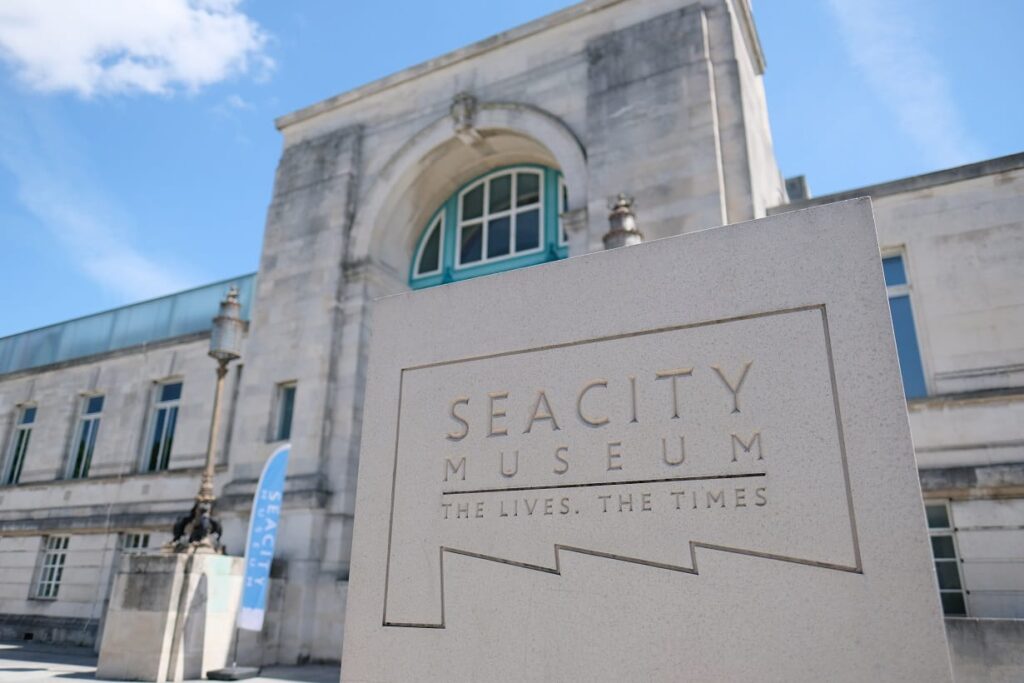
Direct Access delivered comprehensive accessibility audits that identified and addressed accessibility barriers across physical and digital environments for three Southampton City Council-owned and operated museums (SeaCity Museum, Tudor House & Garden, Southampton City Art Gallery), ensuring that all visitors, regardless of their abilities, could fully engage with the collections and spaces.

Our auditors also conducted a policy review to embed a long-term accessibility strategy for the sites, ensuring future developments were accurate, effective, lawful, and fit for purpose for all visitors.

By assessing and improving how the museums accommodated the physical, sensory, cognitive, emotional, and cultural needs of diverse visitors, our focus was not just on compliance with regulations, but on creating meaningful, engaging experiences that are accessible to people of all abilities and backgrounds. This involved understanding who was currently engaging with the museums, who may have been excluded, and what barriers were preventing greater participation from underrepresented groups. 

Our team outlined steps to support the three sites in broadening and diversifying their visitor base, improving comfort and visitor flow, enhancing exhibit accessibility to strengthen interpretation, and implementing solutions tailored to key audience groups, including disabled and neurodivergent visitors, as well as people from a range of cultural backgrounds and age groups—ensuring their needs, barriers, and preferences are fully understood and addressed.

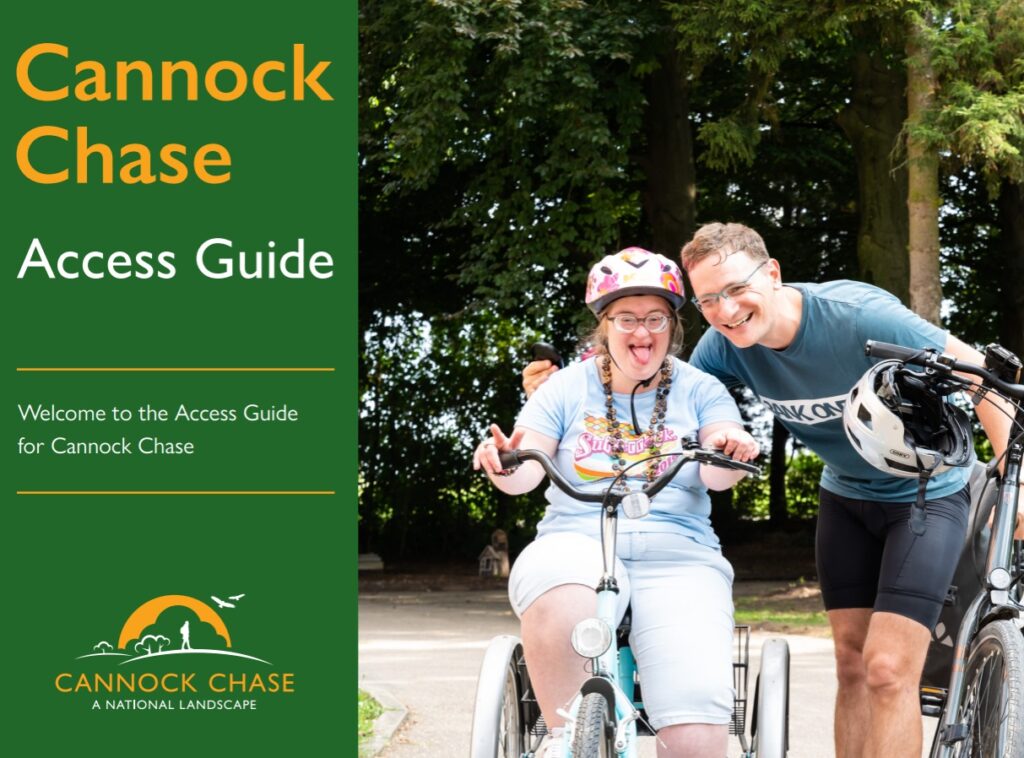
A photograph of the front cover of the Access Guide which Direct Access produced for Cannock Chase. The cover has a dark green colour scheme with a mixture of yellow and white text. It reads "Cannock Chase access guide. Welcome to the Access Guide for Cannock Chase". Underneath this text is the Cannock Chase logo. A photograph on the cover shows a young white woman with downs syndrome riding a bike with stabilisers joyfully. Next to her getting in close for a photo is a white male companion who is off his bike and holding it with one hand. He is also smiling happily. Behind them is a bike trail through some woods.

Access

Guides

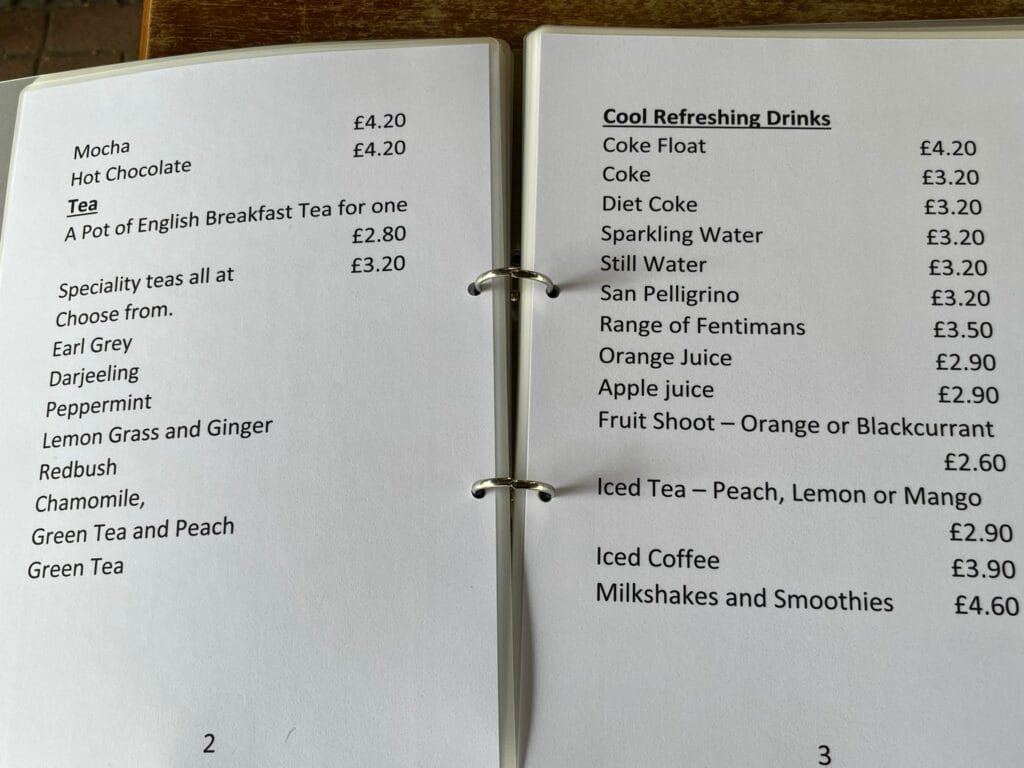
An open folder with a simplified, large print accessible menu inside listing a selection of teas and cool refreshing drinks.

Accessible

Menus

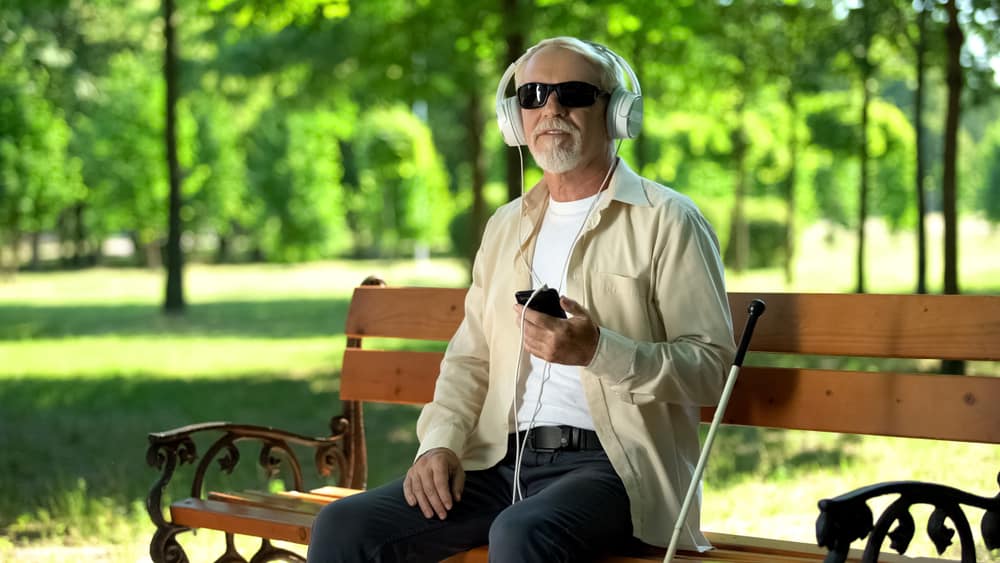
An old blind man on a park bench listens to an audio description on his phone with his cane leaning against the bench.

Audio description

and transcription

A young woman signs BSL to a man set opposite her in an office space.

Bespoke

BSL Videos

A close-up shot of a persons finger reading Braille paper.

Braille

and Large print

A row of five swell maps, all detailing the same location - A History Through Objects museum exhibition, spread out on a table at the Direct Access offices.

Tactile and

Sensory Maps

A cheerful Caucasian adult man with down syndrome using laptop at home adjusts his glasses with his left hand.

Website

Accessibility

Direct Access
Privacy Overview

This website uses cookies so that we can provide you with the best user experience possible. Cookie information is stored in your browser and performs functions such as recognising you when you return to our website and helping our team to understand which sections of the website you find most interesting and useful.