info@directaccess.group

E-Mail

UK: +44 1270 626222

Ireland: +353 (0)15079081

How Sensory Accessibility in Built Environments Benefits Everyone

A Caucasian male child standing indoors near a large window, wearing over‑ear headphones. They are dressed in a long‑sleeved, light gray shirt and have one hand gently resting against the glass. Soft natural light comes through the window, creating a calm, reflective atmosphere. The scene suggests someone listening to music or audio while quietly looking outside.

In today’s fast paced, increasingly disorienting world, businesses are recognising that the social responsibility to make environments accessible is no longer viewed as a favour to disabled people or a tick box exercise to appease legal bodies, but a strategic advantage in the world of business.  The facts speak for themselves. Consider for instance, how disabled people have an estimated £274 […]

Building Better Experiences Through Accessible Communication
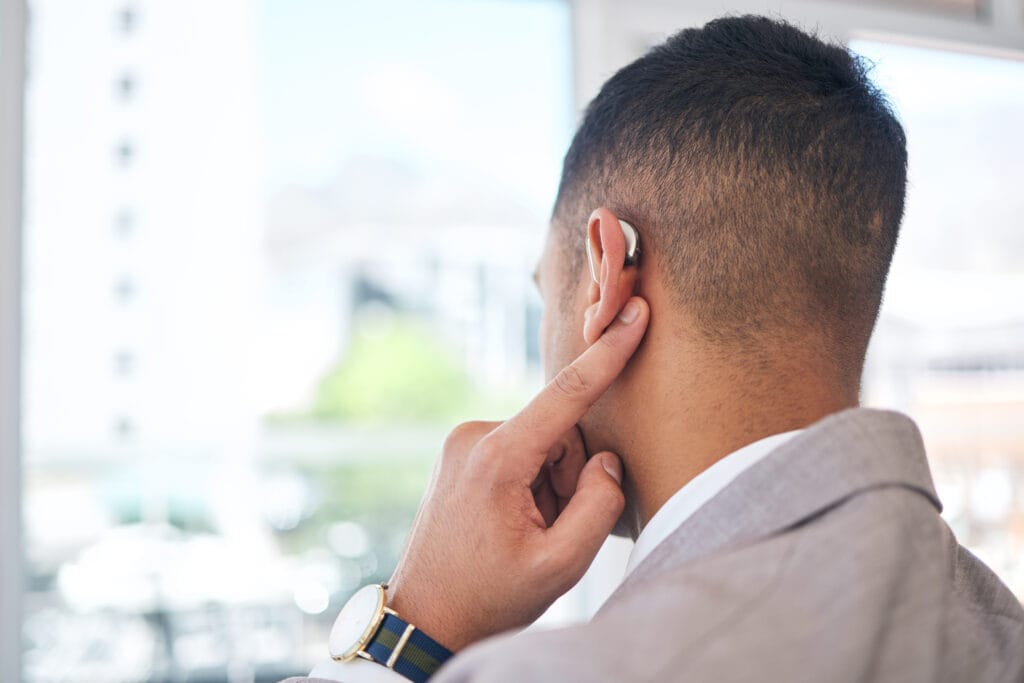
The image shows a person viewed from behind, gently touching the hearing aid positioned behind their ear. The individual is wearing a light-colored suit jacket and a watch with a blue band. Soft natural light is coming through the window in front of them, and the background appears to be an indoor space with large windows overlooking an urban setting. The composition highlights the hearing aid and the person’s gesture, suggesting adjustment, use, or awareness of the device.

Most organisations assume that if someone can hear, they can understand. That assumption is costing real money. When communication isn’t clear, customers drop off, staff waste time repeating themselves, and mistakes creep in. It’s not always obvious, but it shows up in lost sales, slower operations, and weaker client relationships. Auditory processing impairments are a […]

Designing Inclusive Environments for People with Cerebral Palsy

The image shows an outdoor scene with two people interacting in a sunny, park‑like setting. One person is seated in a wheelchair, wearing a striped shirt and holding what appears to be a drink or bottle in one hand. Another person stands beside them, leaning slightly forward while holding the wheelchair’s handle and resting a hand supportively on the seated person’s shoulder. Warm sunlight creates a soft, glowing atmosphere, and trees and buildings are visible in the background, giving the moment a calm and supportive feel.

To design environments that truly include people with cerebral palsy, it is important to move away from the idea that accessibility requires analysing disability on a case-by-case, “disability by disability” basis. Genuine inclusion is not about solving isolated problems for specific groups, (whether that’s cerebral palsy, neurodivergence, visual impairments etc.), but adopting a broader perspective […]

Why Designing for Dementia Future Proofs your Facility

A caregiver in a pink medical uniform supports an older adult who is using a walking frame. They are standing together in a warmly lit living room featuring modern furniture, including a grey armchair, a wooden side table with a potted plant, and a sofa with yellow cushions. A floor lamp and a framed landscape photograph hang on the wall behind them, creating a calm and homelike environment as the caregiver assists the individual with mobility.

In principle, most people agree that public spaces should be welcoming, intuitive, and accessible to all. Yet for millions of individuals, navigating everyday environments, such as hospitals, town centers, transport hubs, libraries, leisure facilities, and council buildings can be stressful at best and, in some cases, entirely unmanageable. While this is often associated with physical […]

A Doll That Reflects Real Life: Analysing the Autistic Barbie
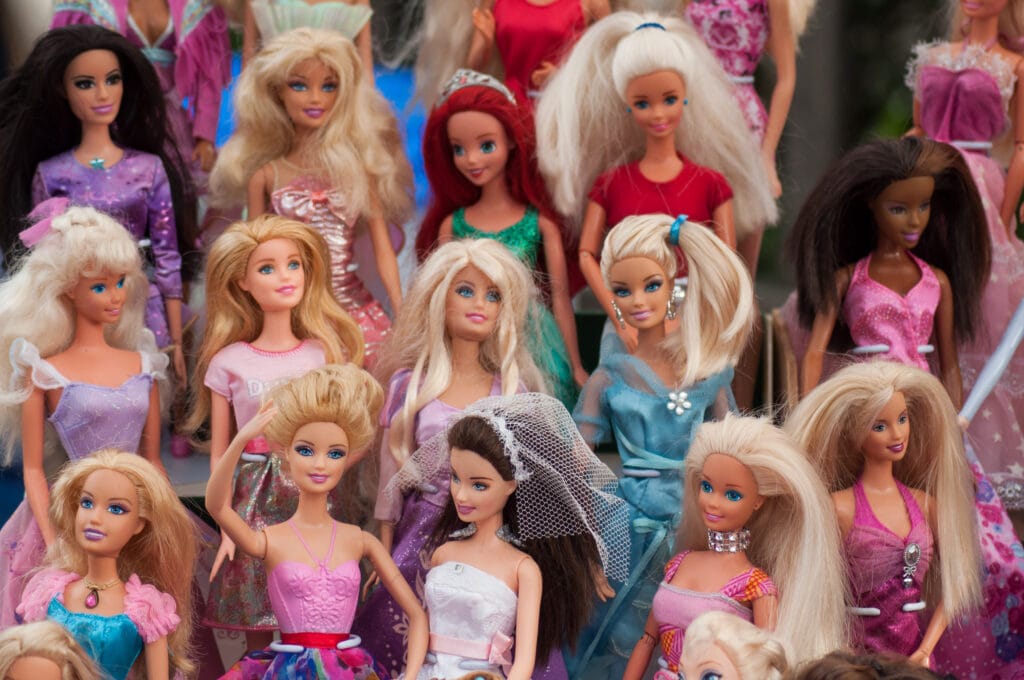
A large collection of fashion dolls arranged closely together in multiple rows. The dolls are dressed in a variety of colorful outfits, including dresses in shades of pink, purple, blue, and red. Many have long, styled hair in different colors such as blonde, brunette, black, and red. Some dolls wear accessories like tiaras, necklaces, and veils, giving the display a vibrant, playful, and decorative appearance. The overall scene looks like a collection or display of dolls, possibly at a market, event, or toy exhibition.

For decades, mainstream toys like Barbie have reflected a narrow view of “normal” childhood experiences and archetypal roles for women, largely ignoring diversity in neurodevelopment, physical ability, and health conditions. So, it’s amazing to see Mattel diversify their brand audience through the power of inclusivity. Their latest, the Autistic Barbie Doll, continues the trend that […]

Why Braille Still Matters and Why You Can’t Afford to Ignore It
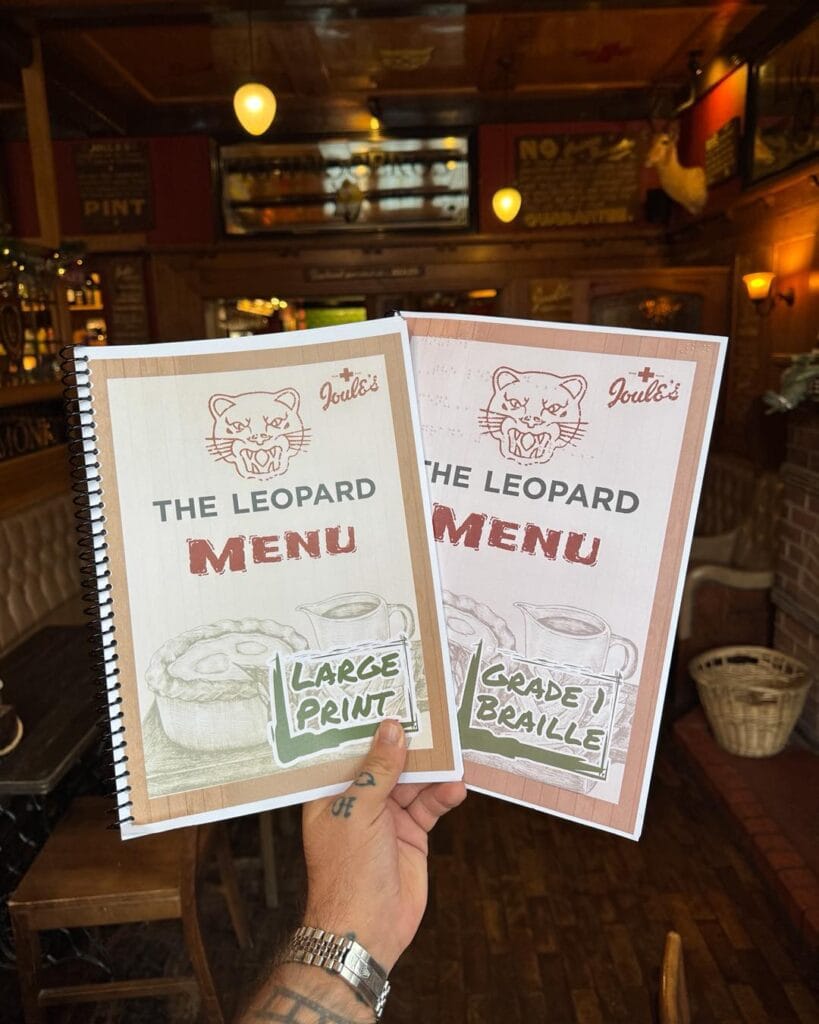
The image shows a hand holding two menu booklets inside a cozy pub or restaurant. The menus are titled “The Leopard Menu” and each features the Joule’s brewery logo at the top. One menu is labeled “Large Print” and the other is labeled “Grade 1 Braille.” Both covers display illustrations of a pie and a drink. The background reveals a warmly lit interior with wooden furniture, vintage-style décor, and hanging lights, creating a classic pub atmosphere.

The Misunderstanding of Braille’s Value When we talk to organisations about accessibility, one thing comes up again and again: braille and other accessible formats are often overlooked. We have even heard people say that braille is outdated, niche, or no longer needed because of screen readers. This is not only incorrect but actively undermines a […]