Your training sessions usually last around half a day (4–5 hours). We recommend setting aside a full workday to allow for breaks and lunch.

info@directaccess.group
UK: +44 1270 626222
Ireland: +353 (0)15079081
Ireland: +353 (0)15079081
Consultancy > Inclusion and Awareness Training > Disability Training for Frontline Staff & Teams
Our Frontline Staff training is tailored for employees who engage directly with your organisation’s external audiences, think customers, visitors, patients, students, and clients.
We move beyond checklist-based approaches, embedding accountability frameworks that genuinely reflect the needs and lived experiences of disabled people accessing your services.
Building on our advisory expertise, this program will equip your team with the knowledge and practical tools to meet their accessibility obligations effectively. We emphasise not just compliance, but innovation, empowering staff to identify opportunities for inclusive service design, process improvement, and stronger stakeholder engagement.
Participants leave the program with the confidence, skills, and practical tools to communicate clearly, respond flexibly, and deliver inclusive service experiences in real-world settings.
From enrolment to orientation, from classroom interactions to campus facilities, every touchpoint shapes how students, parents, and visitors experience your institution. For disabled students and visitors, these touchpoints can either foster inclusion and engagement or create barriers that lead to dissatisfaction, complaints, and reputational impact.
Designed for educators, administrators, and campus managers, this training equips teams to deliver welcoming, accessible, and inclusive experiences for students and visitors with a wide range of disabilities. It also provides guidance on inclusive practices that support the recruitment, onboarding, and retention of disabled staff within educational institutions.
Participants will be able to:
Every interaction, from scheduling an appointment and check-in to consultations, treatment, and follow-up care, shapes how patients experience your organisation. For patients with disabilities, gaps in accessibility can create stress, confusion, or exclusion, impacting trust, satisfaction, and reputation.
This training is designed for healthcare providers, administrative teams, and clinical staff. It equips participants with practical skills and knowledge to deliver safe, accessible, and inclusive care for patients with diverse disabilities. Teams will also learn how to embed inclusive practices that support the recruitment, onboarding, and retention of disabled staff within healthcare settings.
Participants will be able to:
From booking to check-in, from restaurant service to leisure facilities, every touchpoint shapes how a guest feels about your brand. For disabled guests, those touchpoints can either build loyalty or create barriers that lead to complaints, reputational damage, and lost revenue.
Designed for managers in hotels, restaurants, attractions, and other tourism services, this training will equip teams to provide welcoming, safe, and inclusive experiences for visitors with a wide range of disabilities. It will also provide insight into inclusive business practices that support the inclusive onboarding and retention of disabled staff.
Participants will be able to:
From store entry to checkout, from customer service to online shopping experiences, every interaction shapes how customers perceive your brand. For shoppers with disabilities, these touchpoints can either foster loyalty or create barriers that lead to frustration, complaints, and lost revenue.
Designed for retail managers, sales teams, and customer-facing staff, this training equips your workforce to deliver welcoming, accessible, and inclusive experiences for customers with a wide range of disabilities. It also provides guidance on inclusive practices that support the recruitment, onboarding, and retention of disabled employees within retail organisations.
Participants will be able to:
Every journey, from ticket purchase and boarding to in-transit experience and arrival, shapes how passengers view your service. For travellers with disabilities, any gap in accessibility can turn routine travel into stress, confusion, or exclusion, affecting both reputation and customer loyalty.
This training is designed for transport operators, station and vehicle staff, and customer service teams. It focuses on equipping personnel with the knowledge and practical skills needed to deliver safe, accessible, and inclusive travel experiences for passengers with diverse disabilities. Participants will also gain insight into embedding inclusive practices that support the recruitment, onboarding, and retention of disabled employees across transport networks.
Participants will be able to:
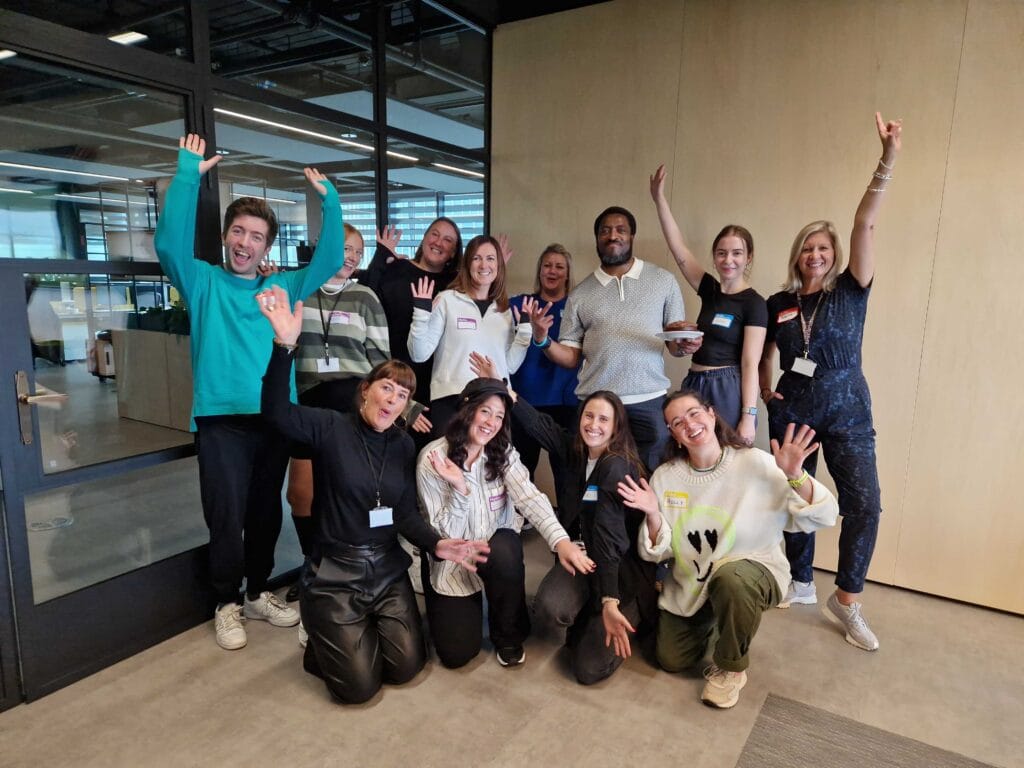
Every interaction with customers matters, and for those with disabilities, small adjustments can make a huge difference, both for them and disabled people within your organisation.
By law, businesses are legally required to provide accessible services, including to make changes, where needed, to improve service for disabled employees and customers. At Direct Access, we believe this obligation can be turned into a real competitive advantage.

Following an accessibility audit of guest areas and service touchpoints, Direct Access delivered a tailored disability awareness and inclusive service training programme for staff at The Langham, London.
The training programme was developed to translate the audit findings into practical, real-world guidance that hospitality teams could apply in their daily roles. Rather than focusing purely on regulatory compliance or technical accessibility standards, the sessions emphasised how inclusive service directly supports the high levels of care, discretion, and attentiveness expected within a luxury hotel environment. By connecting accessibility principles with the values of hospitality, staff were able to see how inclusive practice enhances the overall guest experience for everyone.
The programme helped staff understand that accessibility is not limited to physical adaptations within the building. It also involves the way guests are welcomed, communicated with, and supported throughout their stay. Through practical examples and scenario-based discussion, participants explored how accessibility considerations may arise at different service touchpoints, from arrival and check-in to dining, concierge services, and housekeeping interactions.
A disability may be physical, sensory, cognitive, intellectual, mental health–related, or chronic illness–related. Definitions are typically guided by laws such as the Americans with Disabilities Act (U.S.) or the Equality Act 2010 (UK), depending on your location.
Employers must provide reasonable accommodations, prevent discrimination, and ensure accessibility under applicable laws (e.g., Equality Act in the UK).
We highly recommend that frontline, public-facing staff attend.
Your training sessions usually last around half a day (4–5 hours). We recommend setting aside a full workday to allow for breaks and lunch.
We recommend having up to 16 key participants per session to maximise the spread of accessibility knowledge within your organisation. Fewer participants are allowed, but exceeding 16 is not advised, as larger groups can reduce interactivity and limit time for in-depth questions.
The program is delivered in person and led by an instructor, typically hosted at your organisation’s location. If needed, a virtual attendance option is also available.
Yes. If you require accommodations such as live captions (if attending digitally), sign language interpreters, extended time or materials provided in alternative formats, please let us know well in advance of your session. Once you have booked a training program, contact our team at info@directaccess.group to request accessibility adjustments.
Sessions are delivered live, and all materials will be shared afterward for reference. Trainers will also be available to answer any follow-up or clarification questions.
For general inquiries, please contact info@directaccess.group. Once your training session is confirmed, you will also receive the direct email address of your assigned trainer.
Sessions are generally not recorded. Photographs may be taken for marketing purposes; however, all attendees will have the opportunity to opt in or opt out. We are committed to maintaining client confidentiality at all times.