info@directaccess.group
UK: +44 1270 626222
Ireland: +353 (0)15079081
Ireland: +353 (0)15079081
Accessible Media > Policy Review Services

Detailed, actionable, holistic accessibility policy reviews for organisations and businesses in any sector, setting out steps that allow you to both meet legal obligations and deliver an effective service to your audience.
Our policy reviews help organisations win more work and reach wider audiences across the public sector, regulated industries, and private markets, covering:
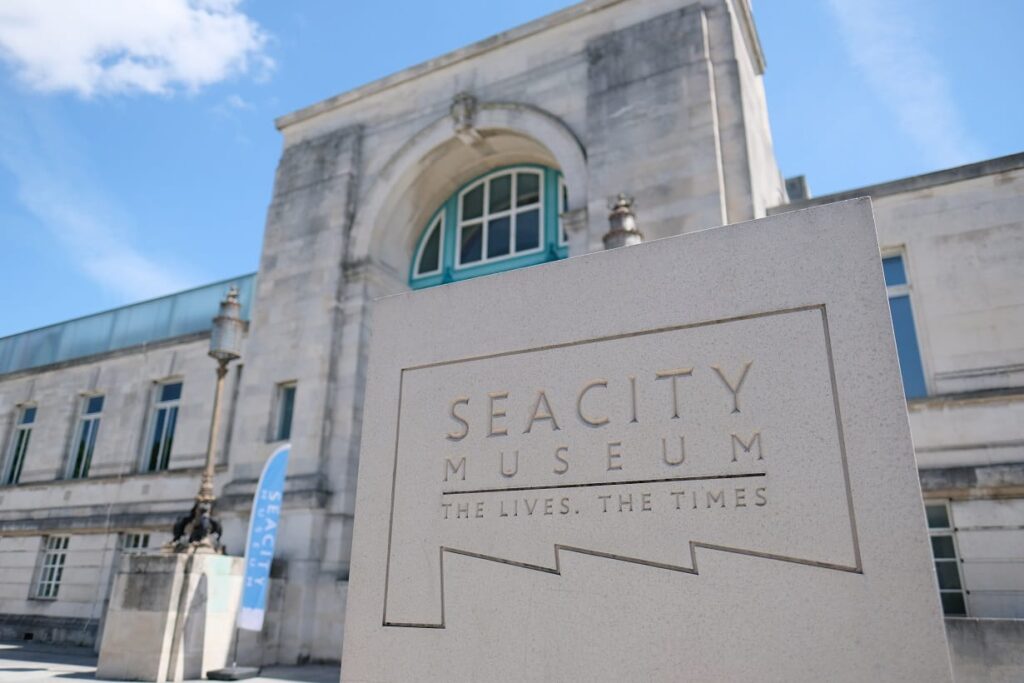
Direct Access delivered a policy review and physical/digital audits to embed a long-term accessibility strategy for three Southampton City Council museums (SeaCity, Tudor House & Garden, Southampton City Art Gallery), ensuring future developments were accurate, effective, lawful, and fit for purpose for all visitors.
Our recommendations outlined a strategy to address barriers across the three museums that were limiting their ability to attract a broader and more diverse audience, improve visitor comfort and circulation, and enhance exhibit accessibility to strengthen interpretation and engagement.
By assessing and improving how the museums accommodated the physical, sensory, cognitive, emotional, and cultural needs of diverse visitors, our focus was not just on compliance with regulations, but on creating meaningful, engaging experiences that are accessible to people of all abilities and backgrounds. This involved understanding who was currently engaging with the museums, who may have been excluded, and what barriers were preventing greater participation from underrepresented groups.
We identified practical solutions tailored to the needs, barriers, and preferences of key audience groups, providing SCC with a legally defensible framework for implementing targeted improvements with confidence.
Utilising long-standing connections with disability advocacy organisations, we facilitate user testing of your services with real customers through consultation events, mystery shopping, and customer surveys.
Our team combines expertise from a wide range of professional backgrounds to provide practical, credible insights into how policies perform in real-world operations and service delivery. This perspective is further strengthened by the fact that many of our consultants are disabled, bringing valuable lived experience that informs our analysis and recommendations.
We connect policy language to measurable business outcomes by helping organisations reduce legal and regulatory exposure, improve operational efficiency, strengthen governance and accountability, increase success in bids, tenders, and accreditations, and protect and enhance brand reputation.
Put simply, we deliver:
Practical, cost-effective recommendations that are realistic to implement and designed to deliver measurable results.
Long-term protection by benchmarking against best practice standards to ensure your policies are robust, sustainable, and legally defensible in the long-term.
A prioritised action plan highlighting the issues that should be addressed first to reduce risk and achieve the greatest operational impact.
Detailed, solution-focused guidance for every identified gap or friction point, giving your team a clear route to improvement.
An exhaustive (but coherent) final report that supports informed decision-making, strengthens governance, and provides a clear framework for implementation.