
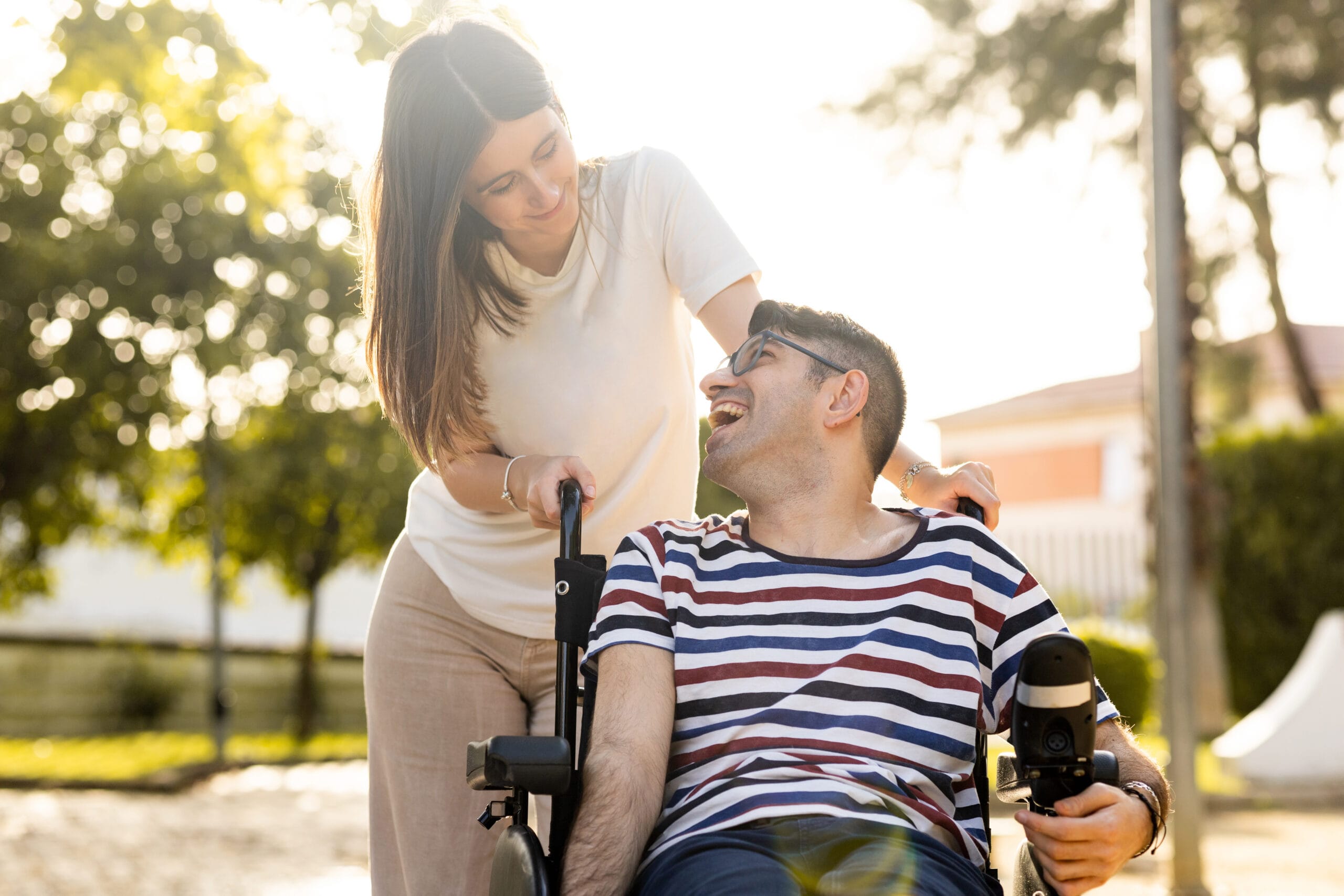
To design environments that truly include people with cerebral palsy, it is important to move away from the idea that accessibility requires analysing disability on a case-by-case, “disability by disability” basis. Genuine inclusion is not about solving isolated problems for specific groups, (whether that’s cerebral palsy, neurodivergence, visual impairments etc.), but adopting a broader perspective where one commits to the ongoing process of creating adaptive environments that work for everyone.
That probably sounds daunting, but I’m here to tell you to take comfort. Because designing for cerebral palsy creates a powerful accessibility advantage for site owners. On a base conditional level, cerebral palsy affects movement, posture, coordination, and sometimes speech, which means that solutions developed for this group often meet the needs of many other disabilities as well. This includes people with hearing and visual impairments, neurodivergent individuals, those with mental health conditions, speech impediments, and chronic disabilities, as well as non-disabled people.
By designing for cerebral palsy, you conversely aren’t doing something “extra” for one small group, you are effectively laying the groundwork for wider accessibility improvements that yield immediate results, not only supporting independent, dignified, and empowered engagement for people with cerebral palsy, but benefiting your business through stronger audience retention, enhanced organisational reputation, and protecting your facility from legal and public scrutiny (effectively, you’re future proofing it).
From an environmental perspective, creating places which empower individuals with cerebral is a great goal to aim for, because it means thinking about accessibility beyond the stereotype of ramps, lifts, and the other typical signifiers of “accessibility”. Cerebral palsy conditionally speaking is not progressive, but the effects on the body can change as a person grows, thus requiring forward-thinking on the part of site owners. It means deep diving into addressing all potential pain points for visitors like communication, maneuverability, and physical and emotional safety for the visitor.
At this point, you’re probably wondering what exactly accommodating cerebral palsy entails for your facility; whether you operate a school, office block, hotel, museum, sports stadium, the fundamentals of becoming truly inclusive for this group remain the same. So, we will now detail exactly what you can do to accommodate. These changes are all usually low-cost and high impact, and directly benefit various other disability groups, as well as non-disabled visitors.
Physical and logistical accommodations
- Adjustable-height desks and ergonomic seating
- Accessible entrances, restrooms, meeting rooms etc.
- Parking and transportation accommodations
- Assistive technology such as speech recognition or adaptive keyboards
- Smooth, non-slip pathways
- Ramps with safe gradients
- Automatic or easy-to-open doors
- Seating with armrests and back support
- Normalising requesting accommodations
- Avoid equating speed or physical ease with competence
- Provide disability awareness training to current and future staff
- Ensure clear anti-discrimination policies
- Treat employees with cerebral palsy as professionals, not as inspirational stories
Wayfinding and comfort
- Clear signage and wayfinding
- Adequate lighting
- Quiet or low-sensory areas when possible
- Sufficient space to move without obstacles
- Providing multiple ways to access information (text, audio, visual)
- Offering clear, easy-to-read labels
- Ensuring staff are trained to communicate patiently and respectfully
- Supporting assistive communication devices
Programming and engagement
- Offer accessible tours and workshops
- Avoid assuming visitors’ abilities
- Include disabled people in program design and feedback
The common thread among all these improvement paths is that inclusive environments benefit not just the disabled person but expand your facility’s overall appeal and reach. People with cerebral palsy, along with other disabled customers, are more likely to return to spaces where they can participate independently and with dignity, and usually with carers, family members, friends, and colleagues. Overall, it is guaranteed to generate higher satisfaction and longer engagement and have the potential to increase both footfall and repeat business.
Remember, people with cerebral palsy are people; students, professionals, artists, leaders, and active members of their communities, so when environments are truly inclusive and designed in such a way that they face no adversity, organisations that demonstrate equity and respect for them are seen as modern, ethical, and community oriented, which then builds trust.
As a result, the narrative for disabled users shifts away from perceived limitations of a site and toward participation, contribution, and belonging, opening the door to sustained engagement, audience loyalty, and tangible financial benefits.