
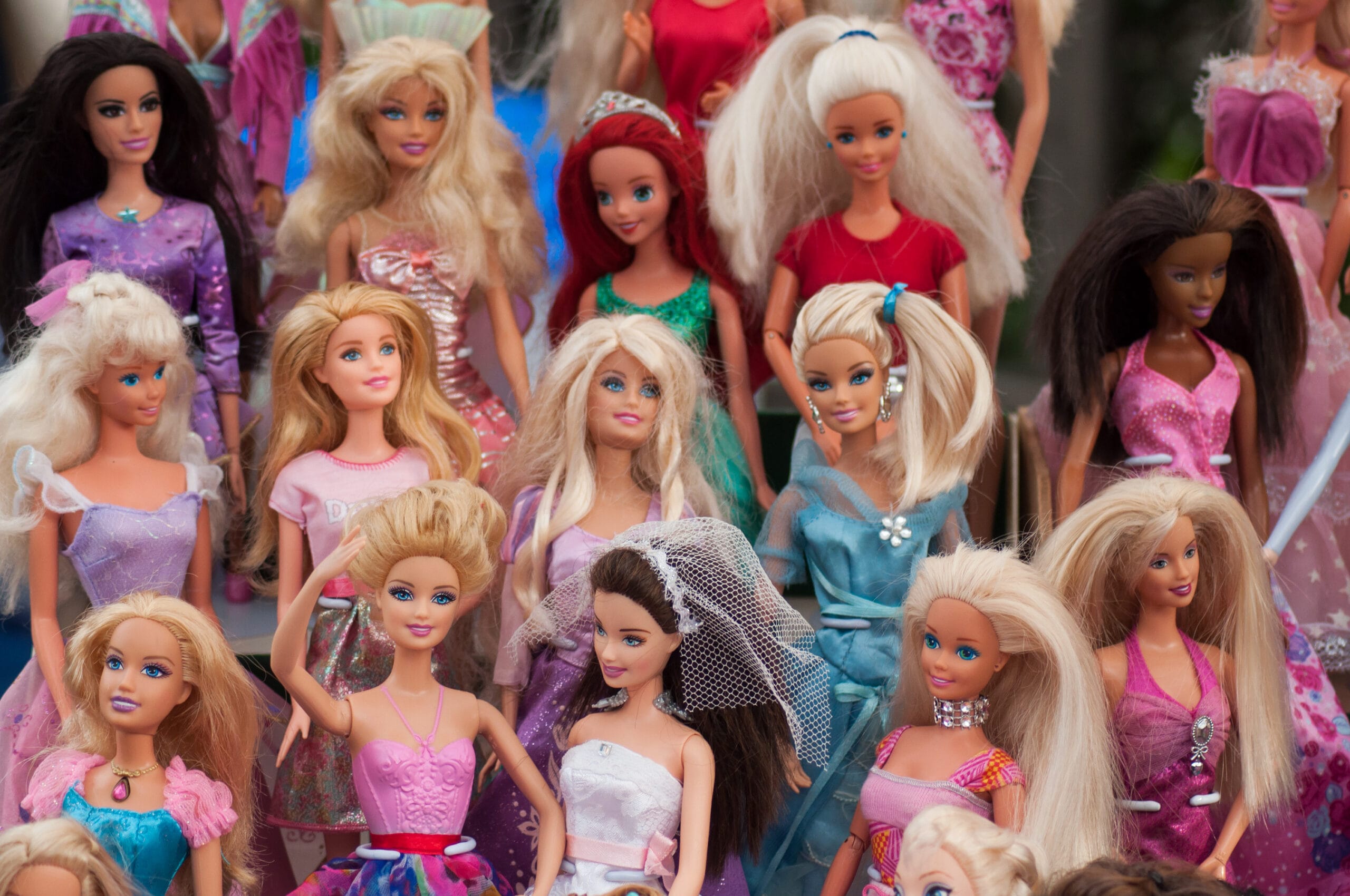
For decades, mainstream toys like Barbie have reflected a narrow view of “normal” childhood experiences and archetypal roles for women, largely ignoring diversity in neurodevelopment, physical ability, and health conditions. So, it’s amazing to see Mattel diversify their brand audience through the power of inclusivity. Their latest, the Autistic Barbie Doll, continues the trend that started with dolls like the Down Syndrome Barbie and Diabetic Barbie.
Introducing toys like this to cater not only allows Mattel to market to an enormous consumer base of neurotypical people but will have a considerable knock-on effect on neurotypical children, encouraging empathy for people who are different from them, a greater understanding of human diversity, and creative play beyond stereotypes.
As an autistic individual myself, however, I have mixed opinions on the release of this Barbie, which extends to their whole range of their inclusive range. While I can recognise that representation validates a child’s experience, fosters self-esteem, normalises diversity, and even demonstrates that being inclusive can lead to financial success, the catch 22 with Barbie as a brand, is that the representations of disabilities are somewhat simplistic. By nature of being embedded into a canvas that is only customisable in a cosmetic sense, (because bottom line, it’s a plastic toy), an inherent limitation the new line has is that it does not truly represent the range of aesthetics nor the behavioural diversity of conditions like Autism or Down Syndrome.
So, how would I improve this doll? For starters, I would give Barbie’s design more freedom beyond the clothing line and accessories, allowing a wider range of elements to be adapted to best represent the child using them. This would include Barbie’s hair, limbs, and facial features, allowing children to make a Down Syndrome Barbie with a different body type, or a black autistic Barbie, a diabetic barbie in a wheelchair, and so on. This would push the limits of what the new line can truly be and allow the consumer more fluidity of choice and even allow Mattel as a business to push a whole new line of accessories. For instance, an autistic young girl who has never used a fidget spinner in her life could replace this accessory with a mobile phone, or a laptop.
Secondly, I would introduce packaging language that clearly states: “This represents one autistic experience, not all”, so that consumers are discouraged from stereotyping a neurological condition which is by its very nature sits on a spectrum. By introducing a focus on personality traits, interests, and strengths and not just physical appearance, a child could buy an autistic barbie and give it a doctor’s uniform, or an astronaut suit, etc. This would help prevent autism from being reduced to visible markers.
The success of these new dolls also represents an opportunity for Mattel to expand the scope of their impact beyond the sale of the initial product. For instance, their designers could introduce narrative representation, not just visual in the form of storybooks and animations, giving children further context of autistic experiences.
Overall, however, considering everything we know about this doll and its journey to our shelves, I must say that the design has been carefully informed by autistic people, which gives this new doll a certain authenticity that mirrors our mission statement at Direct Access. We believe strongly in the idea of involving your audience in the production of a product, so reading that the Autistic Self Advocacy Network and a five-year-old autistic child (shout out to Penelope) were directly involved in the design choices is a wonderful surprise. To me, as an autistic person, certainly communicates: “Your needs and experiences are valid and understood.”
Written by Michael Miller.