info@directaccess.group
UK: +44 1270 626222
Ireland: +353 (0)15079081
Ireland: +353 (0)15079081
Accessible Media > Accessible Menus
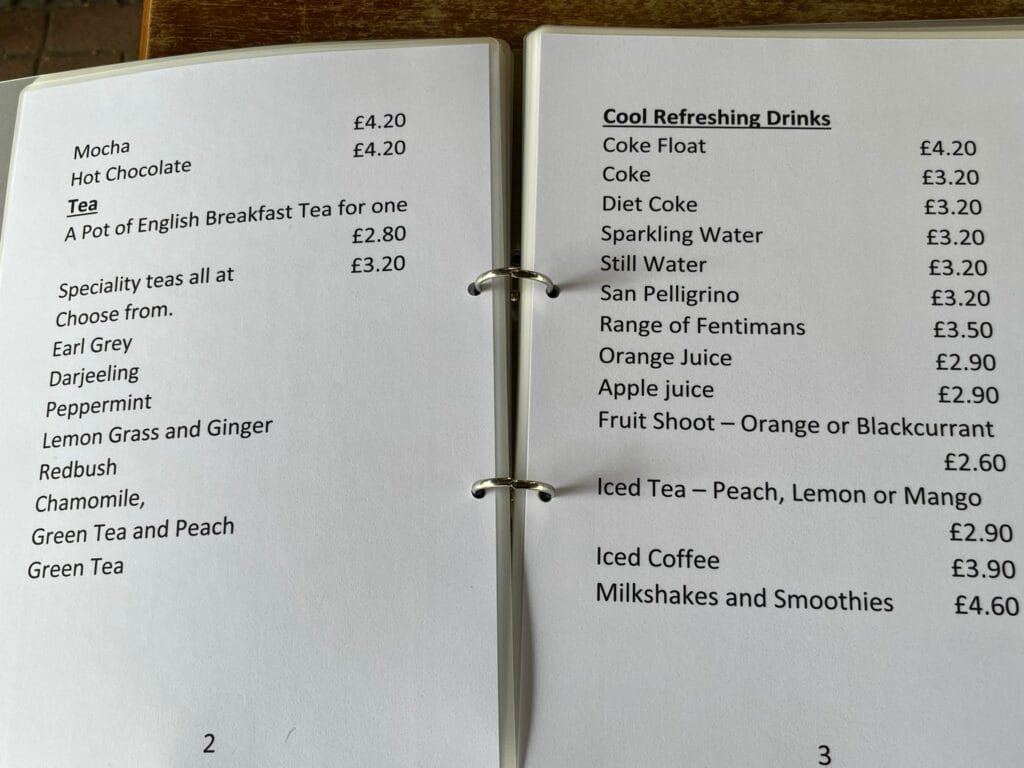
Designed primarily for neurodiverse, visually impaired, and dyslexic customers, Direct Access Large Print and Braille menus allow restaurant and bar owners to provide vital information about their food and drink products in a more simplified, accessible format. This removes the requirement for a family member or member of staff to read out the selection to customers, who may feel uncomfortable or embarrassed, and ensures restaurants are meeting their legal obligations under the Equality Act.
Each of our Accessible Media documents is produced in-house at Direct Access by a team led by Craig Acton, who himself was born with deteriorating eyesight and nystagmus.
We translate your establishment’s food and drink selection to ensure it meets recommended standards, including for;
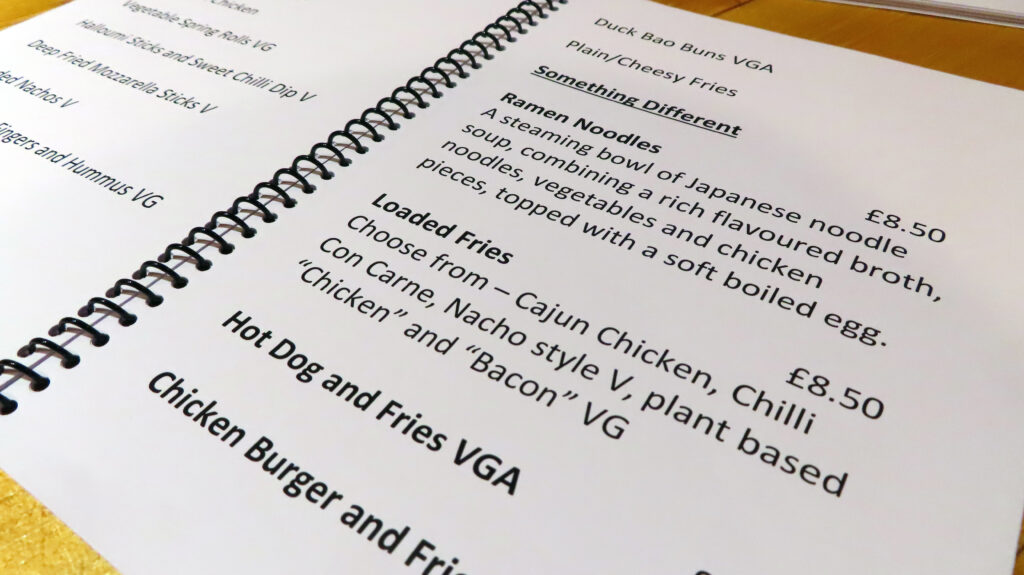
Our Large Print Menus are often preferred by elderly clientele who benefit from a less hectic viewing experience. They are also ideal for teaching young children to order independently of a parent, benefitting from a less complicated selection.
Our Large Print Menus are produced entirely in-house and incorporate a Sans Serif font (usually Calibri) with an average font size of 28pt. Medium or bold type weights are used as recommended by the RNIB See It Right guidelines.
When requested, we can print menus onto coloured paper, which is especially beneficial to users with dyslexia, specific learning difficulties, or visual impairments.
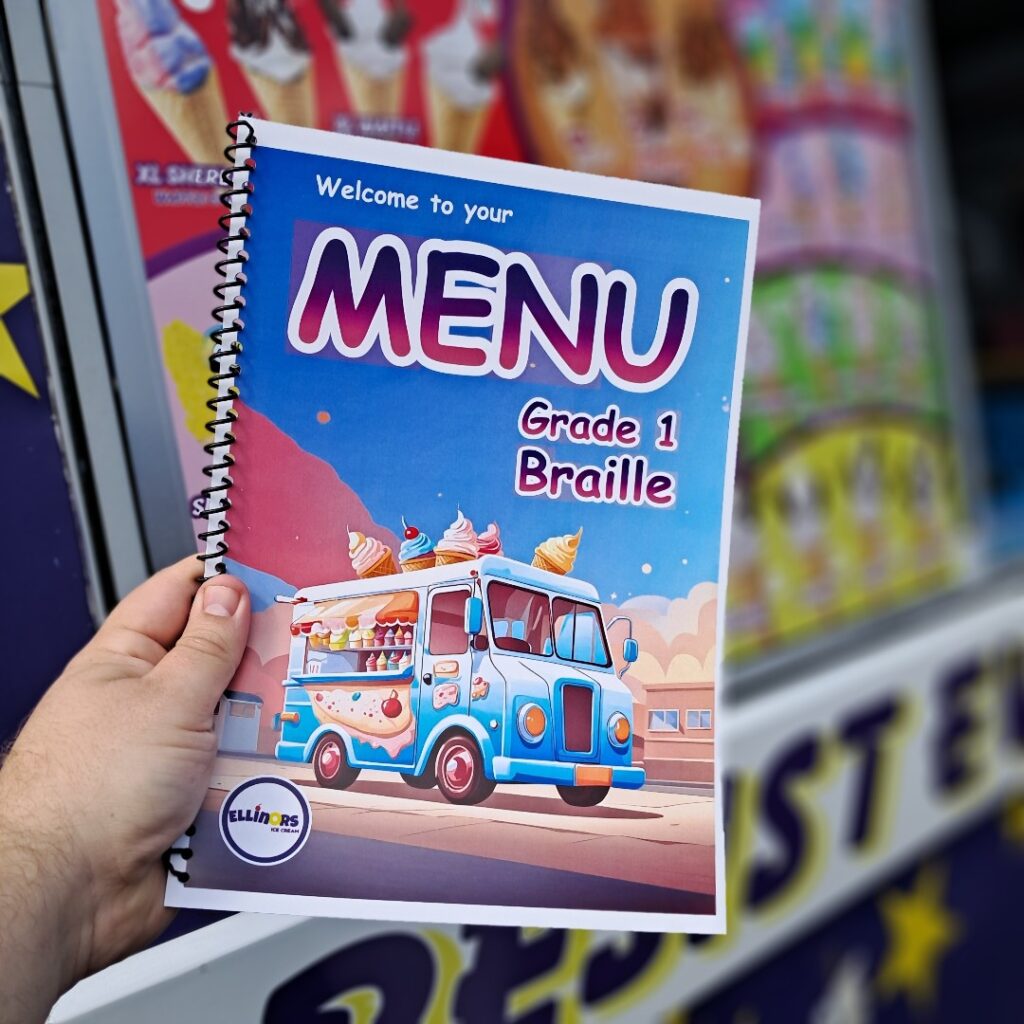
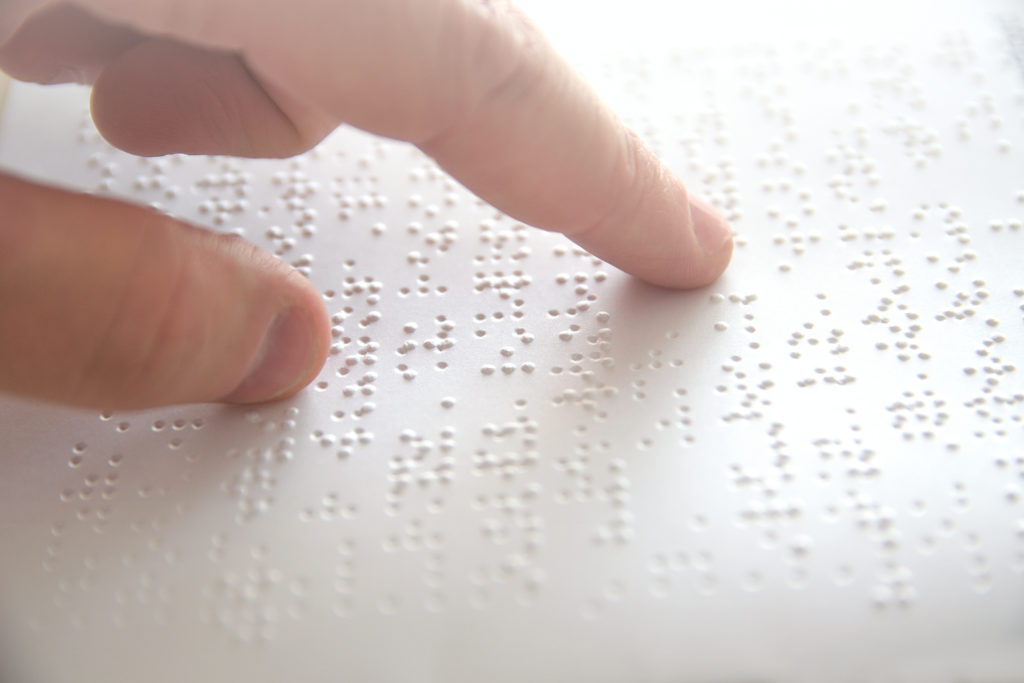
Braille is the system of raised dots used for reading and writing by people who are blind or severely visually impaired.
Designed with blind and DeafBlind customers in mind, our Braille Printed menus offer direct translations of a given menu into Braille, the communication format utilised by over six million people throughout the world.
Using the latest Index Embossers, Direct Access can produce Braille Menus in A4 and A3 formats.
Our Braille Menus see the highest success in establishments such as:
Direct Access also prints A5 flash cards so your customers can access dual-accessibility applications, such as a Braille interpretation of a food or drink option on one side and a Large Print translation of the same product on the opposing side. This allows providers to swap options within a folder at their convenience without needing a reprint of the same menu.